
Blog

2025–2026 Cold-Weather Guide: How to Winterize Your Nissan for Shreveport Drivers

At Orr Nissan Shreveport, we know Louisiana winters can feel unpredictable—cold snaps, freezing rain, sudden temperature drops, and the occasional icy morning commute. Even though our region doesn’t face blizzard conditions like northern states, colder weather still places stress on your vehicle in ways many drivers don’t expect. Your Nissan—whether it’s a Sentra, Rogue, Frontier, Kicks, or any model in the 2025–2026 lineup—benefits greatly from seasonal preparation.

Proper winterization isn’t about catching problems once they happen. It’s about preventing them altogether. Below is the most up-to-date, expert-backed checklist for preparing your Nissan to perform smoothly, safely, and reliably through the colder months.


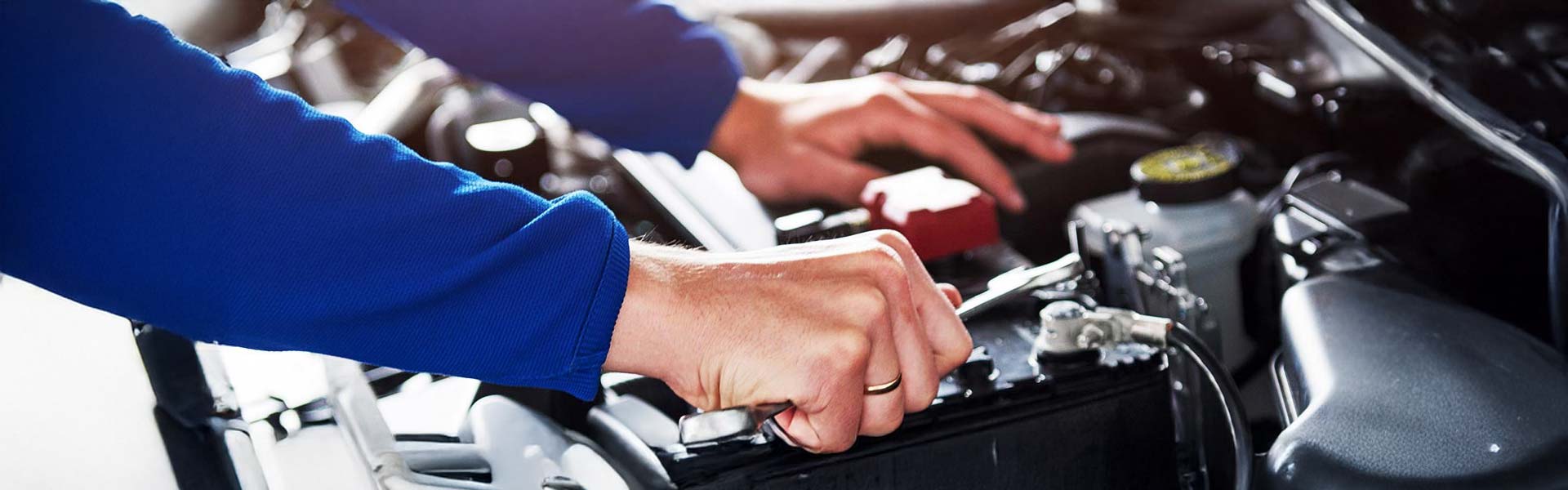
Check and Strengthen Your Battery Condition

Cold temperatures slow chemical reactions inside a car battery, reducing its ability to hold a charge and deliver power. A battery that seems “fine” in warm weather can drop dramatically once temperatures fall.

What We Recommend:

• Test your battery’s voltage and health rating
• Inspect for corrosion on terminals
• Ensure the cables are tightly secured
• Replace batteries older than 4–5 years

Most Nissan technicians use diagnostic tools that read the battery’s remaining life instead of guessing by feel. A quick pre-winter test can prevent the classic cold-morning failure.


Inspect Tires and Switch to Cold-Appropriate Tread

Tire rubber stiffens in cold climates, reducing grip on the road—even at temperatures above freezing. Louisiana drivers often overlook this because we’re used to warm pavement.

Updated Winter Tire Tips:

• Ensure tread depth is above 4/32" for safe winter traction
• Check tire pressure weekly (cold air lowers PSI naturally)
• Switch to all-weather or winter-rated tires if you drive in frost-prone areas
• Inspect for cracks or uneven wear

The Rogue, Kicks, and Frontier benefit greatly from winter-ready tires due to their weight balance and traction control systems. Even front-wheel-drive Sentra models see a noticeable gain in grip when equipped correctly.


Evaluate Your Coolant and Antifreeze Levels

Many drivers misunderstand the purpose of coolant—it doesn’t just prevent overheating. In winter, it keeps your engine block from freezing, cracking, or forming internal ice pockets.

Updated Recommendations:

• Use a 50/50 coolant-to-water mix (industry standard for modern Nissans)
• Check the reservoir level before temperatures drop
• Replace coolant every 5 years or 60,000 miles (depending on model)
• Inspect hoses for softness, swelling, or brittleness

Cold temperatures can magnify hose weaknesses, leading to sudden leaks or steam-outs.


Replace or Upgrade Your Windshield Wiper Blades

Winter brings moisture—rain, sleet, and heavy morning dew that freezes overnight. Visibility becomes one of the most important safety factors.

What to Do:

• Install all-season or winter-specific rubber blades
• Replace blades every 6–12 months
• Fill washer fluid with a freeze-resistant formula
• Ensure spray nozzles aren’t clogged

A clear windshield can be the difference between a calm commute and a near miss.


Check Your Heating System and Defroster Performance

Your heater isn’t just for comfort—it’s a safety feature. The defroster clears fog and ice buildup rapidly so you can keep eyes on the road.

Steps We Recommend:

• Test the cabin heater before the first cold front
• Ensure hot air is consistent, not intermittent
• Confirm front and rear defrosters activate properly
• Inspect cabin air filters for blockage

If airflow is weak, it may signal heater core or blower motor issues—both easier to repair when detected early.


Inspect Belts and Hoses for Cold-Weather Weak Points

Rubber contracts in cold temperatures. A belt or hose that looks fine in summer can split once the weather shifts.

Updated Winterization Inspection:

• Look for hairline cracks
• Check for glazing on belts
• Squeeze hoses for abnormal softness
• Listen for squeaking during cold starts

The newer 2025–2026 Nissans rely heavily on precise belt tension to support power steering and alternator performance, making winter checks essential.


Upgrade to a Cold-Resistant Motor Oil (If Needed)

Most modern Nissans already run on full-synthetic oil, which flows well in cold weather. However, older models or high-mileage vehicles may benefit from switching oil viscosity.

Nissan’s Updated Standards:

• Full-synthetic 0W-20 or 5W-30 (depending on model) flows faster in cold starts
• Faster oil movement reduces engine wear
• Replace oil and filter before winter if nearing service interval

Cold starts are when engines experience the highest fatigue. Proper oil makes a significant difference.


Check Your Vehicle’s Exterior Lights

Winter days shorten, making headlights, brake lights, and turn indicators even more crucial.

Inspect For:

• Dim or flickering LED bulbs
• Foggy or oxidized headlight lenses
• Proper headlight aim for maximum visibility
• Functionality of daytime running lights

Clear, bright lighting improves both your ability to see and your vehicle’s visibility to others.


Protect the Exterior with Winter-Grade Detailing Products

Cold air dries paint. Rain and road residue can dull the finish.

Updated Care Tips:

• Apply a synthetic paint sealant before winter
• Clean wheel wells regularly
• Use rubber seal conditioner on door gaskets to prevent freezing shut
• Keep locks lubricated to avoid cold-weather binding

Small preventative steps preserve your Nissan’s condition and resale value.


Prepare an Emergency Winter Kit

Even in Shreveport, it’s better to be overprepared.

Include:

• A phone charger
• Portable jump starter
• Gloves and small blanket
• Ice scraper
• Flashlight
• Compact first-aid kit
• Tire inflator or sealant

A simple kit can quickly turn an inconvenient situation into a manageable one.


Why Winterizing Matters for Shreveport Drivers

Louisiana’s mild winters often tempt drivers to skip seasonal maintenance. But when cold snaps arrive without warning—as they often do—the stress on your Nissan becomes immediate. Battery performance drops. Fluids thicken. Tire pressures fall. Visibility worsens. Winterization protects your vehicle’s reliability, safety, and long-term value.

At Orr Nissan Shreveport, our technicians apply factory-trained, model-specific procedures for all Nissan vehicles—from the efficient Sentra to the versatile Rogue, the adventurous Kicks, and the rugged Frontier.

Preparing early is simple. Recovering from cold-weather damage is not.

Recommended Posts

Auto repair shop with mechanics and a tool cart in the foreground.

What Nissan Owners Should Know About Battery Replacement

If you've ever turned the key and heard that slow, struggling crank, you already know how important a healthy battery is. Battery replacement is one of the most common maintenance needs for any vehicle, and your Nissan is no exception. If you drive a Rogue, Altima, Frontier, or any other model in the lineup, understanding the basics can save you from being stranded at the worst possible moment. more How Long Does a Car Battery Last? Most vehicle batteries last between three and five years, though factors like climate, driving habits, and how often you take short trips can shorten that window. Extreme heat, like the summers drivers in Shreveport, Louisiana, experience, can put additional strain on a battery and cause it to wear out sooner. If your battery is approaching the three-year mark, it's worth having it tested during your next service visit. Signs Your Nissan May Need a Battery Replacement Catching a failing battery early is the best way to avoid an inconvenient breakdown. Some common warning signs include a slow engine crank when starting, dashboard warning lights, dimming headlights, and electrical accessories that seem sluggish or unresponsive. You might also notice a swollen battery case or a rotten egg smell near the hood. If any of these symptoms sound familiar, a battery replacement may be overdue. What Happens During a Battery Replacement? The process is more straightforward than most people expect. A technician will test your current battery to confirm it's the source of the problem, safely disconnect and remove the old unit, and install a new battery that meets your vehicle's specifications. For Nissans equipped with advanced electronics and driver assistance technology, it's especially important that the replacement battery matches the correct specifications to keep all systems functioning properly. Why Choose a Trained Nissan Technician? Taking your vehicle to a trained technician for battery replacement ensures the job is done right the first time. Nissan vehicles are engineered with specific power requirements, and using the wrong battery can affect performance and potentially void coverage on certain components. A trained technician will also inspect the terminals, cables, and charging system at the same time—giving you a complete picture of your battery's health. Schedule Battery Service at Orr Nissan Shreveport Staying ahead of battery issues is one of the easiest ways to help keep your Nissan dependable. If you've noticed warning signs such as slow starts, dim lights, or other battery-related concerns, the service experts at Orr Nissan Shreveport are here to help. If your vehicle needs a battery inspection, testing, or replacement, we can provide the service your Nissan needs.

08 (8)

Nissan's Future Lineup: Models That May Be Discontinued and What's Coming in 2027

The automotive industry is evolving rapidly as manufacturers invest in hybrid technology, electric vehicles, and advanced driver-assistance systems. Nissan is no exception. As the brand prepares for its next generation of vehicles, some familiar models may be nearing the end of their production run while exciting new models are expected to arrive through 2027. more For drivers in Northwest Louisiana, these changes represent Nissan's continued commitment to innovation, efficiency, and performance. At Orr Nissan Bossier City, we're following the latest Nissan developments to help customers stay informed about the future of the brand. Models That May Be Discontinued by 2027 As Nissan modernizes its lineup, some long-standing models are expected to make way for newer hybrid and electric vehicles. Nissan Altima The Nissan Altima has been one of the brand's most popular midsize sedans for decades, offering a comfortable ride, advanced safety technology, and available all-wheel drive. However, industry reports suggest that the Altima may conclude production after the 2026 model year. The decision reflects changing consumer preferences as more drivers choose SUVs, crossovers, and electrified vehicles over traditional sedans. While Nissan has not officially announced a direct replacement, future hybrid and electric models are expected to fill many of the roles currently served by the Altima. Current Altima owners can continue to enjoy Nissan's dependable engineering, and existing models will still receive parts and service support for years to come. Nissan's Strategy for 2027 Nissan's long-term strategy centers around offering customers more efficient powertrains while maintaining the performance, reliability, and value the brand is known for. Several key priorities define Nissan's roadmap through 2027: Expanding the availability of hybrid vehicles using Nissan's innovative e-POWER technology. Growing its electric vehicle lineup with new battery-powered crossovers and SUVs. Bringing back iconic nameplates that appeal to adventure seekers and performance enthusiasts. Continuing to improve Nissan Safety Shield® 360 and connected vehicle technology. Investing in sustainable manufacturing and electrification while maintaining competitive pricing. Rather than focusing exclusively on electric vehicles, Nissan plans to offer customers a variety of powertrain options, allowing drivers to choose the technology that best fits their lifestyle. 2027 Nissan Rogue Hybrid One of the most anticipated additions to the lineup is the 2027 Nissan Rogue Hybrid. The Rogue has become one of Nissan's best-selling SUVs thanks to its roomy interior, family-friendly features, and everyday practicality. The upcoming hybrid model is expected to introduce Nissan's advanced e-POWER system to North America, providing smooth electric-powered acceleration while a gasoline engine generates electricity for the battery. Drivers can expect improved fuel efficiency, lower emissions, and a refined driving experience that makes commuting and road trips even more enjoyable. 2027 Nissan Z Performance enthusiasts have plenty to look forward to with the continued evolution of the Nissan Z. The 2027 model is expected to feature updated styling, enhanced technology, and the same exciting twin-turbocharged V6 engine that has made the current Z a favorite among sports car enthusiasts. Rear-wheel drive, responsive handling, and available NISMO performance upgrades will continue to define the Z's driving character. The Nissan Z remains one of the few affordable sports cars that delivers both everyday usability and thrilling performance. The Return of the Nissan Xterra Few Nissan announcements have generated as much excitement as the return of the Nissan Xterra. The next-generation Xterra is expected to once again focus on rugged capability and outdoor adventure. Built with off-road enthusiasts in mind, the SUV is expected to feature durable construction, impressive ground clearance, and advanced four-wheel-drive capability. Whether exploring Louisiana trails, heading to the campsite, or towing recreational equipment, the Xterra is expected to offer the versatility many drivers have been waiting to see return. Nissan Juke EV Nissan's global electric vehicle strategy also includes the return of the Juke as an all-electric crossover. Known for its distinctive styling and compact dimensions, the Juke has always stood out from the crowd. The electric version is expected to combine bold design with zero-emission driving, modern infotainment technology, and practical everyday usability. Although North American availability has not been officially confirmed, the Juke EV demonstrates Nissan's ongoing commitment to expanding its electric vehicle portfolio. Next-Generation Nissan Skyline The Nissan Skyline remains one of the most respected performance nameplates in automotive history. While primarily sold in Japan, the next-generation Skyline is expected to showcase Nissan's latest engineering, advanced driver technology, and premium interior design. Performance-focused drivers around the world continue to follow Skyline developments because the model often previews future innovations that influence other Nissan vehicles. Its continued evolution reinforces Nissan's commitment to blending performance with cutting-edge technology. Other Vehicles Expected by 2027 In addition to these major announcements, Nissan is expected to continue expanding its lineup with additional electrified vehicles. The redesigned Nissan LEAF will continue its transformation into a modern electric crossover, offering improved range, updated styling, and enhanced technology for drivers looking to transition to an electric vehicle. The Nissan Frontier is also expected to receive ongoing updates that improve capability, technology, and driver comfort as competition in the midsize truck segment continues to grow. Additional hybrid and electric SUVs are expected to join Nissan's global lineup as the company continues investing in more sustainable transportation solutions. Explore Today's Nissan Lineup at Orr Nissan Bossier City While many of Nissan's upcoming vehicles are still under development, today's lineup already offers an impressive selection of dependable sedans, SUVs, trucks, and sports cars. Whether you're interested in the versatile Rogue, capable Frontier, stylish Murano, or thrilling Nissan Z, Orr Nissan Bossier City is here to help you find the right vehicle for your needs. As more details about Nissan's 2027 lineup become available, our team will continue sharing updates on upcoming releases, new technology, and future models. Visit Orr Nissan Bossier City to explore current Nissan inventory, schedule a test drive, or learn more about the exciting future of the Nissan brand.

A technician using a multimeter test lead on a car battery terminal under the hood.

Signs of a Bad Car Battery Every Driver Should Know

Your car battery does a lot of quiet work behind the scenes, so when it starts to fail, it can catch you off guard. Knowing the signs of a bad car battery before you end up stranded can save you a lot of stress. It doesn’t matter if you drive a versatile Nissan Rogue, a rugged Frontier, or any other vehicle around Shreveport, Louisiana—keeping an eye on your battery's health is part of smart car ownership that can save you a lot of trouble. more Slow Cranking When you turn the key or press the start button and the engine hesitates or cranks sluggishly before turning over, that’s often the earliest sign of a weakening battery. A healthy battery delivers a strong, consistent charge to the starter motor. When that charge begins to drop, the engine takes longer to fire up. Colder Shreveport mornings can make this symptom more noticeable, since low temperatures reduce a battery's ability to hold and deliver power. If slow cranking happens regularly, it is worth having your battery tested sooner rather than later. Terminal Corrosion Can Signal Trouble Under the Hood Take a look at your battery terminals the next time you pop the hood. If you notice a white, blue, or greenish powdery buildup around the terminal posts, that’s corrosion—and it’s another common sign of a bad car battery. Corrosion can interfere with the electrical connection between the battery and the rest of your vehicle's systems. This can lead to unreliable starts, flickering lights, or not starting at all if left untreated. Light corrosion can sometimes be cleaned, but heavy buildup may point to a deeper issue with the battery itself. The Dreaded Dead Battery If you get in your car and nothing happens when you try to start it—no dashboard lights, no sounds, no response at all—your battery is probably dead. While jump-starting can get you moving temporarily, a dead battery that keeps coming back is telling you it needs to be replaced, and nobody wants to keep jumping their car anyway. Most car batteries last between 3 and 5 years. If yours is in that range, it may be time to consider a Nissan battery replacement in Shreveport before the next failure leaves you stuck. Electrical Gremlins and Warning Lights A failing or failed battery doesn’t always announce itself with a dead car. Sometimes it shows up as dim headlights, a battery warning light on your dashboard, or electronics that behave erratically. Power windows moving slowly or the radio resetting unexpectedly can all trace back to inconsistent voltage from a tired battery. These signs of a bad car battery are easy to overlook or attribute to something else, but they’re worth paying attention to. Getting a quick diagnostic check can help identify whether the battery or another electrical component is the source of the problem before it becomes a more annoying problem. Visit Us for Nissan Battery Replacement in Shreveport Catching the signs of a bad car battery early can mean the difference between a minor inconvenience and a serious headache. From slow cranks and corroded terminals to dimming lights and a fully dead battery, these symptoms all point to the same solution - getting your battery inspected and replaced when needed. Shreveport, LA drivers can count on us at Nissan Shreveport for professional service that will keep your Nissan running the way it should. If your vehicle has been showing any of these warning signs, now is a great time to schedule a service appointment and get back on the road with confidence.